Save 15% on select peptides
What are Peptides
A simple guide to tiny chains that power life's processes
What is a Peptide?
Peptides are short chains of amino acids (typically 2–50) that act as essential signaling molecules, messengers, and building blocks for proteins in the body. They regulate critical processes, including hormone production, tissue repair, immune function, and metabolism. Peptides sold on peptide standard labs website are of the highest quality and only intended for research purposes and not human or animal use.


Peptide Vs Amino Acid
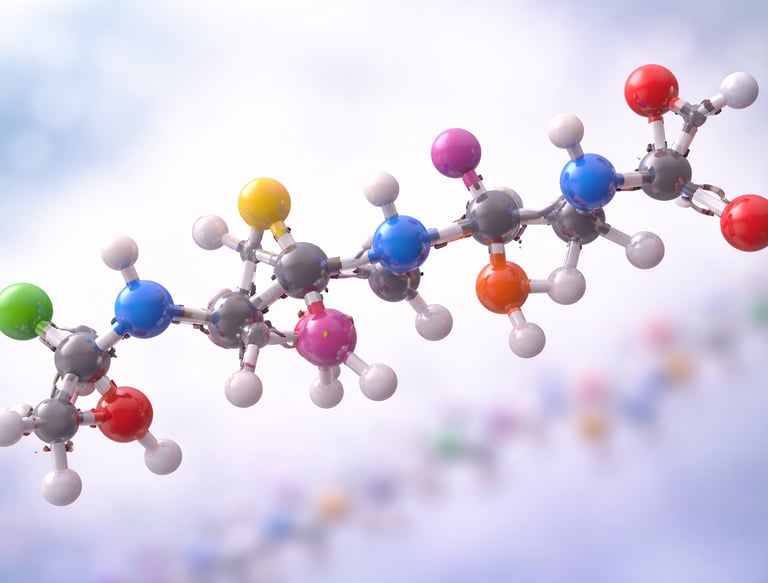
Amino acids are monomers that act as the building blocks of protein and peptide chains. Peptides are short chains of amino acids (Unlike proteins, which are long animo acid chains) and act as signaling molecules that tell the brain what the body needs. For example, certain types of naturally occuring peptides signal the pituitary gland to release human growth hormone, to induce growth of muscle in the body. They play key roles in signaling, healing, and regulating bodily functions every day. however our peptides are for research only and not for human consumption.
FAQs
What is a peptide?
A peptide is a short chain of amino acids linked together.
How are peptides formed?
Peptides form when amino acids join through peptide bonds during protein synthesis.
Why are peptides important?
Peptides play key roles in biological functions like hormone regulation, immune responses, and cell signaling.
Where are peptides found?
Peptides naturally occur in all living organisms, including plants and animals.
Can peptides be synthesized?
Yes, peptides are synthesized for research purposes.
What is the difference between peptides and proteins?
Peptides are shorter chains of amino acids, while proteins are longer, folded chains with complex structures.
Peptide Standard Labs
Contact
Newsletter
© 2024. All rights reserved.